
Helping Your Athlete Balance School, Sports, and Beyond

Happy October!
Not only is the school year in full swing by now, but the holiday season is settling upon us. We have long been swimming in rivers of pumpkin spice latte, and now we are floating in the lakes of soups and chilis and hiking through mountains of delicious baked goodies.
It often seems like this becomes our standard fuel as we quickly get busier and busier, buttoning up the last of the yard work and outdoor chores before the freeze sets in, getting the last of those outdoor walks in the mild weather, making sure the snowplow is ready to go (as I write this, we don’t need it yet- knock on wood!).
Spending a fortune on candy for trick-or-treaters, planning the trick-or-treat routes; planning the Thanksgiving and Christmas meals, getting Christmas cards ready to send out, buying Christmas gifts, choosing an outfit for the work holiday party, volunteering at church or school, chauffeuring your child to and from practices, games…shall I go on, or has your blood pressure already gone up?
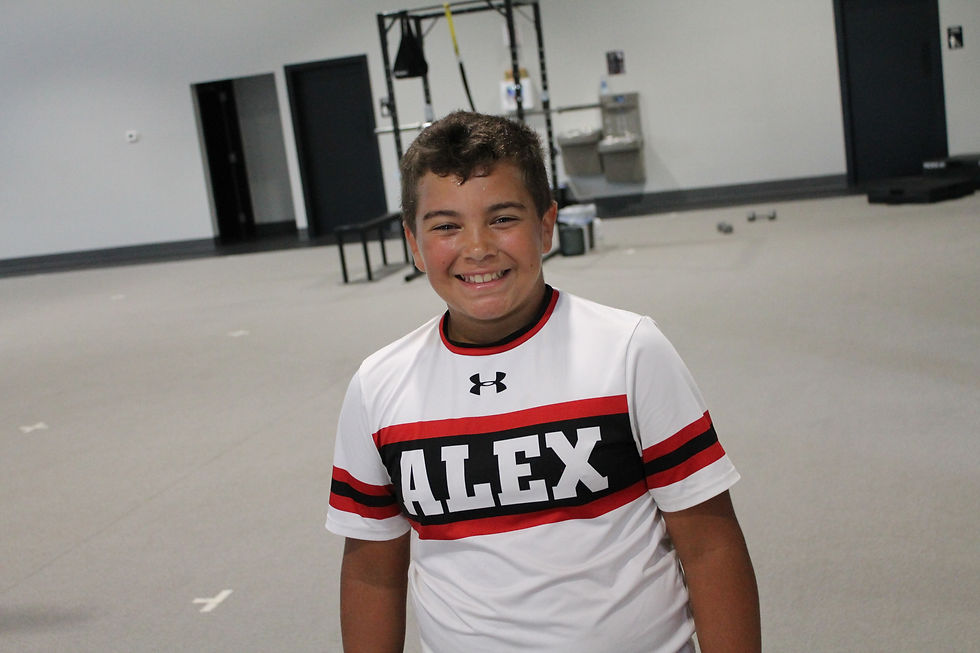
The same holds for young athletes who are busier today than they have ever been. They are often faced with similar stressors, but they are at a disadvantage.
They don’t have the years of experience in dealing with life’s pressures, good or bad, as much as the adults in their lives. Homework, sports practices, music lessons, church groups, volunteering; it can add up quickly and take a toll on that still-developing brain.
Even if they want to do all of the things because they love doing all the things, it is so easy for something to fall behind, for something to feel less enjoyable and more like a chore, or for things to get to a point where your child just feels plain overwhelmed and unhappy.
Here are some ways you can help your athlete be successful in athletics and other activities:
Make a Plan
Pick a time/day to go over the upcoming week to help your child go over their schedule.
Talk about everything coming up in the next 7 days- practices, lessons, schoolwork, birthday parties, etc. If they do better with a written planner, let them pick one out they like. If they prefer a digital calendar, it might be helpful to use color-coding to label school, sports, and activities to make it visually appealing and easier to see at a glance.
Figure out where the top priorities lie, and make a game plan to tackle them (both puns intended). Talk about what your expectations are for priorities.
Come up with a Plan B and Plan C so they know what to do when life does its thing and throws a wrench in even the best-laid plans.
Communicate and Check In
Tune out all the noise and have a face-to-face conversation. Put your phone on Do Not Disturb if you have to. Check in with your child on the car ride home. Talk about their day at dinner. Spend a few minutes before bedtime to connect with them. Really make those few minutes count so they know you care and you are available when needed.
Ask open-ended questions to try and avoid the one-word answers. “Tell me how your math test went,” might get a more detailed answer than “Did you pass your math test?”
Encourage self-advocacy. Make sure they know where and to whom they can go for support, what resources are available to them, and where to find them. Remind them that needing help is not a failure, and asking for help is not a weakness.
Avoid Burnout
Ensure your child has downtime. That might be spending some time alone in a quiet space, unstructured play time outside, or playing a video game with a friend. Essentially, this is self-care. They need to know that self-care is important in staying mentally healthy, which in turn helps them to function at their best in everything they do.
Emphasize the importance of getting enough sleep at night, eating a nutritious diet, and staying hydrated. This helps solidify the fact that staying physically healthy makes a difference in being able to function at their best, too.
Take some time to check in with their coaches and teachers. They see a different side of your child, and working together can be a great way to recognize early signs of burnout.
Know when it’s time to step away. If grades start slipping and school becomes too much of a struggle, it might be time to sit out for a season. If an activity isn’t fun anymore, take a break from it. If there is no recovery even on a rest day, it might be time to let something go.
Keep In Mind
We all want our athletes to be the best version of who they are. We also have to remember that they are not little adults; they are kids. And they are only kids for a short time; we want them to enjoy it for as long as they can.
By taking the time to guide your child in learning to prioritize important things, working through a game plan so they can have time to enjoy the things they love to do, and recognizing when it might be time to let something go, not only can they continue to enjoy their activities, but you will help them to be that much more prepared in growing up and facing the challenges that come with being an adult.


Comments